California Zero-Emission Forklift Rule: 2026 Status
CARB says it will not enforce its zero-emission forklift rule against private fleets until EPA authorizes it. What that means for propane buyers in 2026.
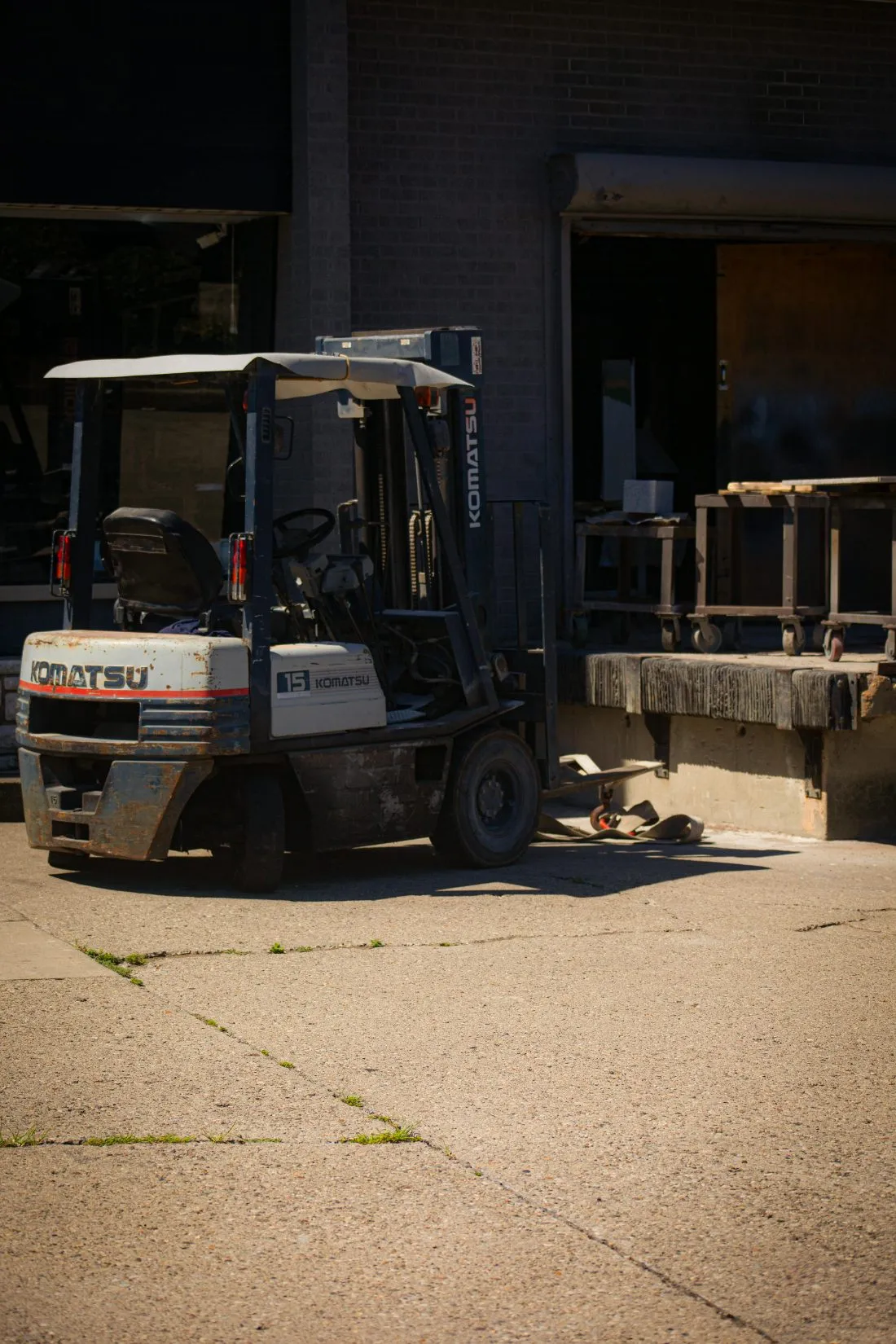
California’s zero-emission forklift rule is not being enforced against private fleets in 2026. The California Air Resources Board (CARB) says it will not enforce the Zero-Emission Forklift (ZEF) regulation against any privately owned or operated fleet until the U.S. Environmental Protection Agency authorizes it, and CARB has not yet asked EPA for that authorization. State and local government fleets with propane, gasoline, or natural gas forklifts are still covered.
That is a different picture from what many guides published in 2025 and early 2026 describe. Here is what the rule says, what CARB is actually enforcing, and what a fleet buyer should do about it.
What Is California’s Zero-Emission Forklift Regulation?
The Zero-Emission Forklift regulation is a CARB rule aimed at large spark-ignition (LSI) forklifts: Class IV and Class V trucks with engines that burn propane, gasoline, or natural gas. As adopted, it would have stopped fleets from acquiring new LSI forklifts from January 1, 2026 and placed existing units on a retirement schedule tied to engine model year, pushing California fleets toward electric trucks.
If you need a refresher on what Class IV and Class V cover, our forklift classes guide explains each class and where it is used.
CARB adopted the regulation on June 27, 2024. According to KERAMIDA’s summary, it covers LSI forklifts in Class IV and Class V with lift capacities of 12,000 pounds or less. It applies to forklift and engine manufacturers, and to any person, public utility, special district, or government agency that operates, owns, leases, rents, or offers LSI forklifts for sale, lease, or rent in California. Renting out a propane truck puts you in scope as written, not just running one.
LSI vs Electric: What Counts as Affected?
The rule draws a line by power source. An LSI forklift has an internal-combustion engine running on gasoline, propane, or natural gas. A zero-emission forklift is the other side of that line: a truck with no engine exhaust, which for most fleets means battery-electric. Our electric vs LPG comparison covers how the two compare in daily use.
Several truck types fall outside the rule altogether, per KERAMIDA’s summary:
- Rough terrain forklifts and vehicle-mounted forklifts.
- Pallet jacks.
- Forklifts with a permanently integrated telescoping boom as the primary work implement.
- Forklifts owned and operated by a facility under CARB’s cargo handling equipment rule for ports and intermodal rail yards (13 CCR 2479).
- Forklifts owned and operated by individuals for personal, non-commercial use.
The regulation also lists exemptions, such as low-use forklifts and dedicated emergency forklifts, and extensions for delivery delays, infrastructure delays, and operational needs. The full conditions and documentation steps are in CARB’s Final ZEF Regulation Order, so read that before assuming a truck qualifies.
Is CARB Enforcing the Rule in 2026?
For private fleets, no. CARB’s program page states that staff “will not enforce the ZEF regulation against any privately-owned or operated fleets.” The pause lasts until EPA grants authorization under Clean Air Act section 209(e)(2)(A), or that authorization is found unnecessary. CARB also notes it has not yet sought that authorization.
| Fleet type | Status in 2026 | Source |
|---|---|---|
| Private fleets (warehouses, 3PLs, manufacturers, retailers) | Not enforced until EPA authorization | CARB ZEF program page |
| State and local government fleets with Class IV/V LSI forklifts | Subject to the regulation | CARB ZEF program page |
| Forklift manufacturers selling into California | May keep producing affected forklifts | WPGA settlement, May 2025 |
| Model-year 2025+ propane forklifts | CARB to consider deadline changes so they stay operable if it acts again | WPGA settlement, May 2025 |
What Did the May 2025 Settlement Change?
In May 2025, CARB and the Western Propane Gas Association (WPGA) settled a dispute over the rule. According to the National Propane Gas Association’s summary, the settlement confirms three points:
- CARB will not enforce the ZEF regulation.
- Manufacturers may continue producing affected forklifts for the California market.
- If CARB takes future action, it will consider adjusting deadlines so fleets can keep operating propane forklifts of model year 2025 or later.
The settlement was between CARB and WPGA. The National Propane Gas Association reported on it but was not a party.
Why Do Some Sources Still Say the Rule Is in Effect?
Compliance guides often summarize the regulation as written: the January 1, 2026 acquisition cutoff, the reporting requirements, and the retirement schedule for existing units. Those dates are still in the regulation’s text. What changed is CARB’s enforcement position for private fleets, which sits on CARB’s program page rather than in the rule itself.
When two sources disagree, use the regulator’s own page. A summary of the original rule is accurate about what the rule says and wrong about what is being enforced.
Rule as Written vs Enforcement Today
The dates below come from KERAMIDA’s summary of the adopted regulation. They are what the text says, not what CARB is enforcing against private fleets.
| Date | What the rule says | Status for private fleets |
|---|---|---|
| Jan 1, 2026 | No new LSI forklift acquisitions | Not enforced |
| Mar 31, 2026 | Contact electric utilities about service for each location with affected forklifts | Not enforced |
| Apr 30, 2026 | Initial report due from large fleet operators | Not enforced |
| Sep 30, 2026 | Initial report due from small fleet operators | Not enforced |
| Jan 1, 2028 | Existing targeted forklifts phased out by model year | Not enforced |
| Apr 30, 2035 and 2038 | Final reports for Class IV and Class V phase-outs (large fleets) | Not enforced |
For government fleets the picture differs. CARB’s program page links a state and local government fleet fact sheet, an Initial Reporting Guide, and reporting guidelines, so those fleets should work from CARB’s own documents.
What Should a Private Fleet Do vs a City or County Fleet?
Private fleets (warehouses, 3PLs, manufacturers, retailers) are covered by CARB’s non-enforcement statement. You are free to buy propane today, but you carry the risk of a rule that could return. Keep buying decisions defensible: record why each truck was chosen, and price an electric alternative alongside it.
State and local government fleets with Class IV or Class V LSI forklifts are still subject. If you manage a city, county, or special district fleet, treat the regulation as live. Inventory your LSI trucks by model year, check CARB’s reporting guidance, and avoid new LSI purchases without confirming how the rule applies to you.
Dealers and rental companies that offer LSI forklifts for sale or rent in California are named in the rule’s scope. Under the settlement, manufacturers may keep producing affected trucks, but a dealer’s stock plan should still allow for a shift toward electric if CARB acts again.
Can You Still Buy a Propane Forklift in California?
Yes. A private fleet in California can still buy, rent, or lease a propane forklift in 2026, and dealers can still stock them. If you are weighing fuel types for a new truck, our electric vs LPG comparison covers 5-year cost, charging, and indoor use, and the propane forklift cost guide breaks down purchase price and operating cost.
Indoor air limits still apply regardless of the CARB rule. OSHA carbon monoxide exposure limits and ventilation requirements govern propane trucks inside buildings in every state. See propane forklifts indoors and OSHA CO limits.
Paused Is Not Repealed: What Fleets Should Do Now
The rule is on hold, not gone. CARB could return to it once the federal authorization question is settled, and the settlement already anticipates future deadlines. A low-cost way to stay ready:
- Keep a written transition plan. List each LSI truck, its engine model year, and its expected replacement year.
- Quote electric on every replacement. Lithium-ion trucks have narrowed the cost gap. Our lithium forklift battery guide shows typical payback ranges.
- Check charger capacity before you need it. Electrical upgrades take longer to plan than a truck purchase.
- Re-check CARB’s page before large orders. Enforcement status can change faster than published guides.
California Compliance Checklist
Use this list once a quarter. It takes under an hour for a small fleet.
- Confirm your fleet type: private or state/local government.
- List every LSI truck with its class, engine model year, and location.
- Mark trucks that may fall under an exclusion or exemption, and keep the paperwork.
- Read CARB’s ZEF program page for any change in enforcement status.
- Request an electric quote for each truck due for replacement in the next three years.
- Ask your utility what service upgrades a charger bank would need. See our forklift ROI guide for how to value the switch.
- For rentals, ask your supplier whether the unit is LSI or electric before signing.
- If you lease, read the end-of-term terms in our forklift lease traps guide.
Fleets outside California are reading the same news as a signal about propane’s future. The practical answer is the same everywhere: compare total cost per hour of operation, not fuel headlines. Our forklift total cost of ownership guide walks through that comparison.
Sources
- California Air Resources Board, “Zero-Emission Forklifts” program page (https://ww2.arb.ca.gov/our-work/programs/zero-emission-forklifts)
- National Propane Gas Association, “CARB Declares Zero-Emission Forklift Regulation Unenforceable,” May 29, 2025 (https://www.npga.org/news-resources/carb-declares-zero-emission-forklift-regulation-unenforceable/)
- KERAMIDA Inc., “What You Need to Know About California’s Zero-Emission Forklift Regulation” (https://www.keramida.com/blog/what-you-need-to-know-about-californias-zero-emission-forklift-regulation)
- U.S. Occupational Safety and Health Administration, Powered Industrial Trucks, 29 CFR 1910.178 (https://www.osha.gov/powered-industrial-trucks)
Frequently Asked Questions
Is the California forklift ban still happening in 2026?
Not for private fleets right now. CARB states it will not enforce the Zero-Emission Forklift regulation against any privately owned or operated fleet until the U.S. EPA authorizes the rule under Clean Air Act section 209(e)(2)(A), and CARB says it has not yet asked EPA for that authorization. The rule is paused for private fleets, not repealed.
Can I still buy a propane forklift in California?
Yes, if you run a private fleet. Under the May 2025 settlement with the Western Propane Gas Association, CARB will not enforce the rule and manufacturers may keep producing affected forklifts for the California market. If CARB acts in the future, it said it will consider adjusting deadlines so model-year 2025 or later propane forklifts can keep operating.
Who still has to comply with California's zero-emission forklift rule?
State and local government fleets. CARB's program page says government fleets with Class IV or Class V large spark-ignition (LSI) forklifts, meaning units that burn propane, gasoline, or natural gas, remain subject to the regulation. Private warehouses, 3PLs, and manufacturers are covered by CARB's non-enforcement statement.
Why do some articles say the rule took effect January 1, 2026?
Because that was the date written into the regulation. As adopted, the rule stopped fleets from adding new LSI forklifts from January 1, 2026 and set a retirement schedule for existing units. Compliance guides kept describing that schedule. CARB's own enforcement position for private fleets is what changed, so check CARB's program page, not a summary of the original text.
Should California fleets still plan a switch to electric?
Yes, on cost and indoor air quality alone. The rule is paused rather than withdrawn, and CARB could return to it once federal authorization is settled. A documented transition plan, charger capacity checks, and electric quotes on your next replacement cycle cost little now and avoid a rushed conversion later.