Forklift Classes Explained: Class I to VII Guide (2026)
Learn all 7 OSHA forklift classes, electric, IC cushion, pneumatic, and rough-terrain, so you can match the right lift truck to your operation.
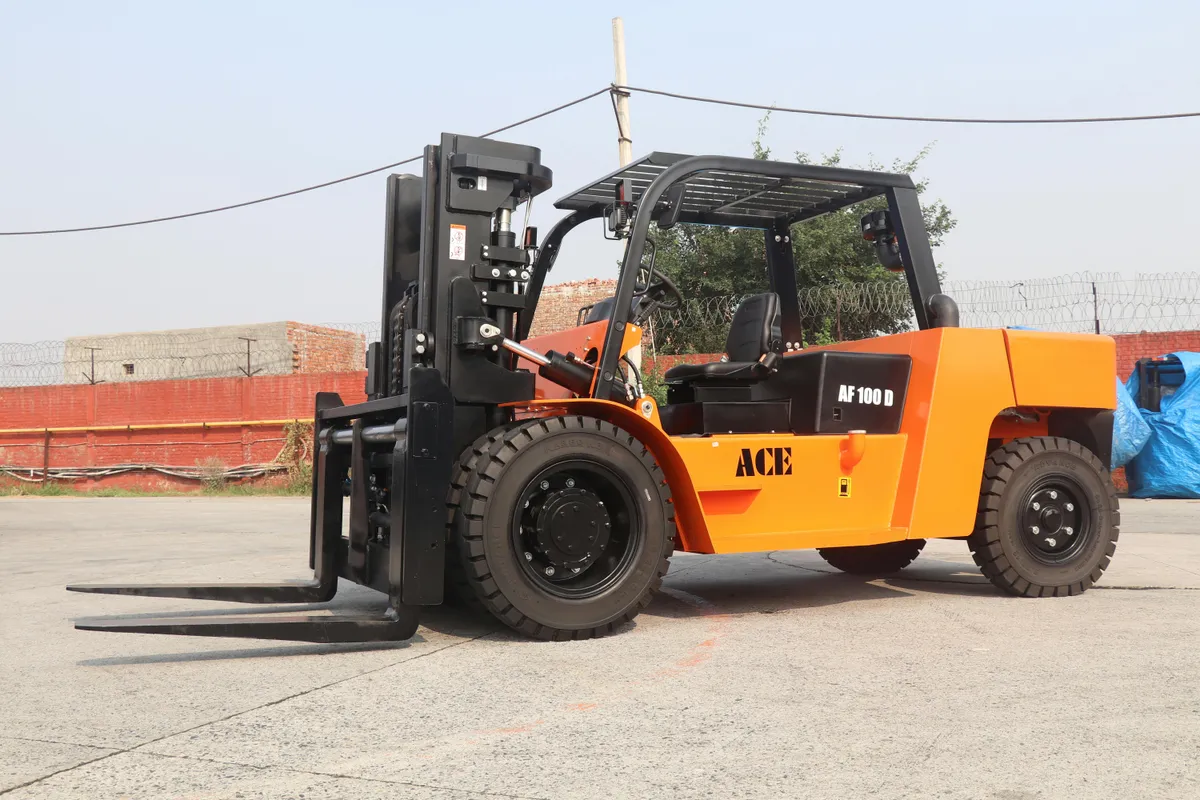
The Industrial Truck Association (ITA), whose classification OSHA adopts, divides powered industrial trucks into seven classes based on power source, tire type, and environment. Knowing which class fits your operation prevents costly mismatches: a Class I electric inside a food-grade freezer performs very differently than a Class V LPG unit on a construction site. This guide walks through every class, compares key specs, and helps you narrow down the right choice.
What Are the 7 Forklift Classes?
OSHA’s Powered Industrial Trucks standard (29 CFR 1910.178) groups forklifts by their physical design, not just their fuel type. The ITA’s seven-class system is the universal reference point for manufacturers, dealers, and safety officers across the US.
| Class | Power Source | Tire Type | Typical Use Case | Environment |
|---|---|---|---|---|
| I | Electric (battery) | Cushion | Counterbalanced lift, general warehousing | Indoor, smooth floors |
| II | Electric (battery) | Cushion | Narrow-aisle: reach trucks, order pickers | Indoor, high-rack facilities |
| III | Electric (battery) | Cushion/Poly | Walkie pallet jacks, stackers | Indoor, tight spaces |
| IV | Internal combustion | Cushion | Counterbalanced, loading docks, manufacturing | Indoor, smooth concrete |
| V | Internal combustion | Pneumatic | Counterbalanced, heavy loads, rough pavement | Indoor/outdoor, mixed surfaces |
| VI | Electric or IC | Cushion/Pneumatic | Tow tractors, burden carriers | Indoor/outdoor, towing applications |
| VII | IC (diesel/propane) | Pneumatic (large) | Rough-terrain telehandlers, extended-boom lifts | Outdoor, construction, lumber yards |
Class I: Electric Counterbalanced Rider Trucks
Class I forklifts run on a large lead-acid or lithium-ion battery pack and use hard cushion tires designed for sealed, smooth concrete. They produce zero direct emissions, making them the dominant choice for food-processing plants, cold storage, and any facility with strict air quality rules. Lifting capacities typically range from 3,000 lb to 12,000 lb. Charge time is 8 hours for lead-acid and 1 to 2 hours for lithium-ion opportunity charging.
Class II: Electric Narrow-Aisle Trucks
Class II includes reach trucks, double-reach trucks, order pickers, and side-loaders. These machines are engineered for very-narrow-aisle (VNA) and narrow-aisle racking, sometimes as tight as 8 feet, by using pantograph mast assemblies or side-shifting carriages. They are electric-only and intended strictly for indoor use on hard, level floors.
- Reach trucks extend the forks forward while the body stays in the aisle, enabling rack depths up to 40 feet high.
- Order pickers lift the operator with the load, allowing hands-on pick at height.
- Side-loaders handle long material (pipe, lumber) in corridors too narrow for a conventional counterbalanced truck.
Class III: Electric Hand Trucks and Motorized Pallet Trucks
Class III covers both walkie (operator walks behind) and rider-style (stand-on platform) pallet jacks and stackers. Capacities are typically 4,500 to 8,000 lb. Because the operator walks or rides at floor level, OSHA considers these lower-risk, but training and evaluation are still required. Common everywhere from grocery back rooms to large distribution centers.
Class IV: Internal Combustion Cushion-Tire Trucks
Class IV forklifts burn LPG, gasoline, or diesel and roll on hard cushion tires. The cushion-tire design limits them to smooth, hard indoor surfaces, loading docks and manufacturing floors with sealed concrete. They are simpler and less expensive to purchase than comparable pneumatic-tire models, but they require ventilation for exhaust. Capacities range from 3,000 lb to over 15,000 lb.
Class V: Internal Combustion Pneumatic-Tire Trucks
Class V is the most widely used class for operations that move between indoors and outdoors. Pneumatic tires absorb the shock of asphalt, gravel, and dock plates. Power sources include LPG (most common), gasoline, diesel, and dual-fuel. Capacity ranges run 3,000 lb to 36,000 lb or more for heavy-duty yard trucks. Most Class V trucks are OSHA-compliant for both indoor and outdoor environments provided adequate ventilation exists.
Class VI: Electric and Internal Combustion Tow Tractors
Class VI covers tow tractors and burden carriers used to pull carts, trailers, or airport tugs, not to lift palletized loads. They may be electric or IC and appear in airports, manufacturing plants, and large distribution centers where goods move long horizontal distances across a facility.
Class VII: Rough-Terrain Forklift Trucks
Class VII includes large-tire telehandlers, extended-boom lifts, and all-wheel-drive forklifts designed for unimproved outdoor surfaces: construction sites, lumber yards, and agriculture. They are almost exclusively diesel or propane. Capacities start around 5,000 lb and can exceed 50,000 lb for specialized industrial telehandlers.
Which Forklift Class Do I Need?
Matching a class to your operation comes down to four variables:
- Floor surface: Smooth sealed concrete favors Classes I to IV. Mixed or outdoor surfaces need Class V or VII.
- Fuel/emissions rules: Indoor food or pharmaceutical facilities usually mandate electric (Classes I to III).
- Aisle width: Aisles under 12 feet wide favor Class II narrow-aisle trucks.
- Load weight and height: Verify the nameplate capacity at the load center specified. Higher lifts reduce rated capacity.
Use our forklift selector to input your surface, aisle width, and load requirements and get matched to the right class instantly. If you are still weighing electric against LPG, our electric vs. LPG comparison covers total cost of ownership in detail. For help narrowing down a specific model, visit our how-to-choose guide.
Key Takeaways
- OSHA and the ITA define 7 forklift classes by power source, tire, and environment, not just fuel type.
- Class I and V cover most US warehouse and distribution needs.
- Class II is the go-to for high-density narrow-aisle racking.
- Class VII is the only class rated for construction-site and rough-terrain outdoor work.
- Always verify operator certification covers the specific class of truck being operated.
Frequently Asked Questions
What are the 7 forklift classes?
The 7 OSHA/ITA forklift classes are Class I (electric counterbalance), Class II (electric narrow-aisle), Class III (electric hand/motorized pallet trucks), Class IV (IC cushion tire), Class V (IC pneumatic tire), Class VI (electric/IC tractors), and Class VII (rough terrain). Each class defines the power source, tire type, and intended working environment.
What is the most common forklift class?
Class V (internal combustion pneumatic tire) and Class I (electric counterbalance) are the most common in US warehouses and distribution centers. Class V suits outdoor and mixed-surface work, while Class I dominates indoor food-grade and climate-controlled facilities.
Can a Class I forklift be used outdoors?
Class I forklifts are designed primarily for smooth indoor surfaces. Using them outdoors on uneven pavement is not recommended and voids most manufacturer warranties. For outdoor use, Class V (pneumatic IC) or Class VII (rough terrain) is the correct choice.
Do operators need different certifications for different forklift classes?
Yes. OSHA 29 CFR 1910.178 requires operators to be trained and evaluated on each specific truck type they operate. A Class I certification does not automatically qualify an operator to run a Class IV machine. The employer must provide class-specific hands-on evaluation.
What forklift class handles narrow aisles?
Class II covers electric narrow-aisle trucks, including reach trucks, double-reach trucks, side-loaders, and order pickers. These machines operate in aisles as narrow as 8 to 10 feet, enabling very-high-density racking configurations in modern distribution centers.