Forklift Rental Market 2026 — Trends & Key Players
The forklift rental market hit $8.2B in 2024 and is growing at 5.8% CAGR. See who controls the market, what's driving demand, and key trends shaping 2026.
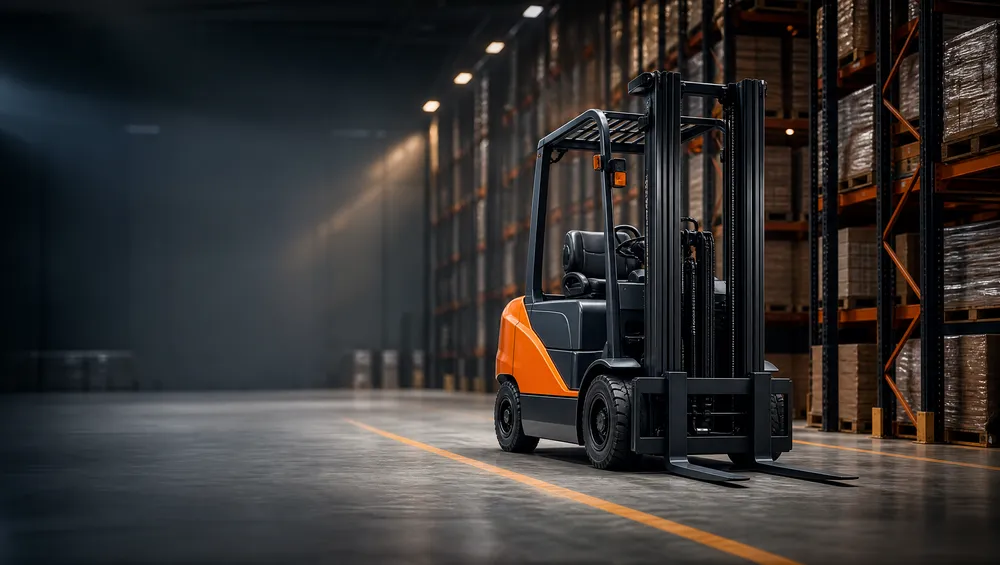
The forklift rental market is one of the steadier growth stories in industrial equipment. E-commerce warehouse expansion, capital preservation pressure, and the shift to electric are all driving demand — while post-COVID supply normalization has brought rates back to earth after the 2021–2023 spike.
Here’s the current state of the market, who controls it, and what’s shaping demand through 2028.
Market Size and Growth
The global forklift rental and leasing market was valued at approximately $8.2 billion in 2024 and is projected to reach $11.5 billion by 2030 at a CAGR of 5.8%.
North America accounts for roughly $3.1 billion annually, making it the largest single regional market. Asia-Pacific is the fastest-growing region, driven by manufacturing expansion in India, Vietnam, and Indonesia.
Key facts:
- Over 65% of US companies with forklift fleets use at least some rented or leased units
- Average fleet rental penetration in the US: ~38%
- Q4 seasonal demand spikes 15–25% above baseline in warehouse and logistics sectors
What’s Driving Demand in 2026
E-commerce fulfillment build-out. Amazon, Walmart, and 3PL providers continue building and expanding fulfillment centers. These facilities consistently use 12–36 month rental agreements — long enough to build operational confidence, short enough to swap equipment as automation strategies evolve.
Capital preservation in a higher-rate environment. With corporate borrowing costs still elevated, CFOs are deferring large fleet CapEx. A monthly operating rental keeps the spend off the balance sheet and preserves credit lines.
The electric transition. OSHA’s 2026 indoor emissions guidance is accelerating the shift from LPG to electric in warehouses. Rental gives companies a low-risk path to test electric operations. Electric now accounts for over 60% of new rental fleet additions, up from 45% in 2022.
Labor shortages sustaining traditional rental demand. As warehouses evaluate autonomous forklifts ($75,000–$80,000 per unit), traditional rentals act as a bridge. The autonomous payback period at current prices is 4–6 years — most companies aren’t ready to commit.
Seasonal demand cycles. Q4 retail fulfillment consistently drives a 15–25% spike in short-term rentals. Rental companies with flexible short-term availability are taking share.
Who Controls the Market
National rental chains
| Company | Fleet Focus | Coverage |
|---|---|---|
| United Rentals | Broadest inventory; warehouse + construction | National |
| Sunbelt Rentals | Construction + warehouse; growing material handling | National |
| H&E Equipment Services | Heavy equipment + forklifts; strong Gulf South | Regional/National |
| BlueLine Rental | Mixed fleet; growing via acquisition | National |
Manufacturer-backed programs often win long-term fleet rentals through guaranteed parts availability, OEM-trained technicians, and rental-to-purchase conversion options.
| Manufacturer | Program |
|---|---|
| Toyota Material Handling | Toyota Financial Services + dealer rentals |
| Crown Equipment | Crown Credit — short and long-term |
| Hyster-Yale | Hyster Financial Products |
| Raymond | Raymond Leasing Corp |
Regional independents hold a significant share of 1–6 month rental business, competing on price (10–20% below national chains), service response speed, and local relationships.
Key Market Trends in 2026
Electric fleet now dominates new rental additions. 60%+ of new fleet units in 2025 were electric, with lithium-ion replacing lead-acid even in rentals — no dedicated charge rooms, lower maintenance overhead for dealers.
Telematics becoming standard. Rental companies equip units with impact monitoring, utilization tracking, and OSHA pre-shift check logs. This reduces dealer damage liability and enables usage-based billing models now being piloted.
Rental-as-a-Service (RaaS) emerging. Leading OEMs and national chains are piloting all-inclusive bundles: one monthly fee covering forklift, maintenance SLA, operator training, telematics, and guaranteed uptime. Expected to hold 15–20% of the long-term segment by 2028.
Supply normalization after the 2021–2023 shortage. Lead times for new units are back to 4–12 weeks, inventory is available, and rates in 2024–2026 are flat to modestly declining from 2022 highs. It’s a renter’s market again.
Short-term segment growing fastest. Sub-30-day rentals are the highest-growth segment, driven by project-based construction, film and event production, and seasonal retail. National chains are investing in same-day delivery in major metros.
What This Means If You’re Renting in 2026
- Rate leverage is on your side. Get 3 quotes and negotiate. See current rental rates.
- Go electric if you haven’t. Rental is the lowest-risk way to test electric operations.
- Lock in your rate. A fixed-rate 6–12 month contract protects you if demand spikes again in Q4. See the short-term vs. long-term rental guide.
- Ask about RaaS bundles if you’re managing 5+ units.
Frequently Asked Questions
How big is the forklift rental market?
The global forklift rental and leasing market was valued at approximately $8.2 billion in 2024 and is projected to reach $11.5 billion by 2030 at a 5.8% CAGR. The North American market accounts for roughly $3.1 billion annually.
Who are the largest forklift rental companies in the US?
The largest US forklift rental companies include United Rentals, Sunbelt Rentals, H&E Equipment Services, and BlueLine Rental. Manufacturer-backed programs from Toyota, Crown, Hyster-Yale, and Raymond also hold significant share for long-term fleet rentals.