Forklift Rental Market 2026: Size, Players & Trends
The US forklift rental market is worth ~$1.5B and growing 6% a year. See market size, who the biggest rental companies are, and the trends shaping 2026.
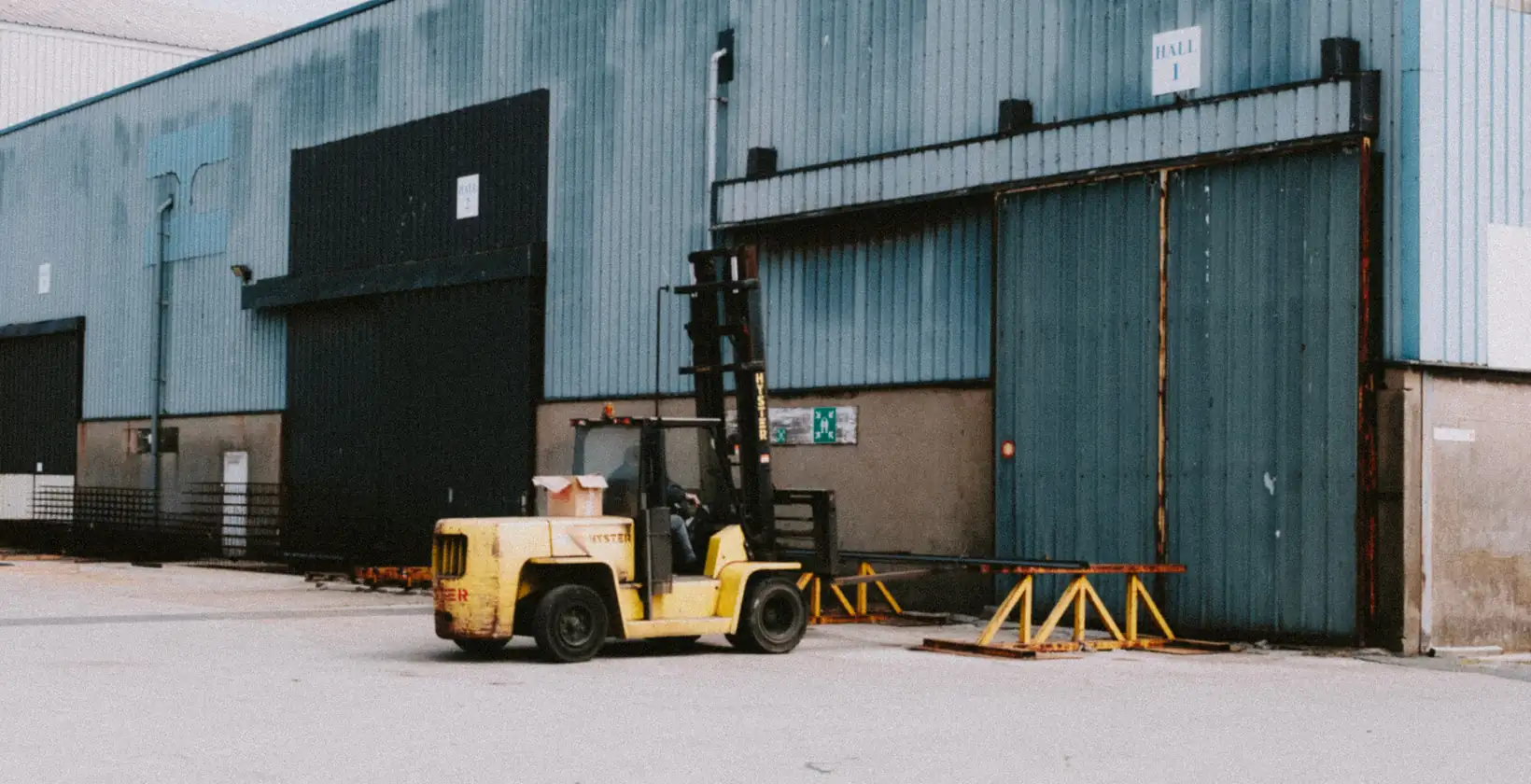
The forklift rental market is one of the steadier growth stories in industrial equipment. E-commerce warehouse expansion, capital-preservation pressure, and the shift to electric are all pulling demand up, while post-pandemic supply normalization has brought rates back down from the 2021 to 2023 spike. This is a data-led look at how big the market is, who controls it, and what’s shaping demand through 2028.
How Big Is the Forklift Rental Market?
There is no single agreed number, and that’s worth understanding before you trust any headline figure. Research firms scope the market differently (short-term rental only vs. rental plus long-term operating leases), so estimates range widely.
| Source | Scope | Size | Growth |
|---|---|---|---|
| Grand View Research | Global | ~$6.1B (2024) | 5.4% CAGR to 2030 |
| Mordor Intelligence | United States | ~$1.51B (2025) → ~$2.05B (2030) | 6.28% CAGR |
The consistent signal across analysts is mid-single-digit annual growth (5 to 6%), not the exact dollar figure. When you see a much larger number (some reports quote $19B+), check whether it bundles in full equipment leasing and fleet-management services, which is a different market.
What’s Driving Demand in 2026
1. E-commerce fulfillment build-out. Retailers and third-party logistics (3PL) providers keep expanding fulfillment centers. These facilities favor 12 to 36 month rental agreements, long enough to build operational confidence, short enough to swap equipment as automation strategies evolve.
2. Capital preservation in a higher-rate environment. With borrowing costs still elevated, many operators are deferring large fleet purchases. A monthly operating rental keeps spend off the balance sheet and preserves credit lines. This has pushed contract lengths longer, more 12 to 24 month terms, fewer 3 to 6 month ones.
3. The electric transition. Electric models already make up around 70% of the broader forklift market as of 2024, and rental is the lowest-risk way for an operator to trial electric before committing $35,000+ per unit. Note: there is no 2026 OSHA rule banning combustion forklifts indoors. The real driver is OSHA’s existing carbon-monoxide exposure limits and ventilation requirements under 29 CFR 1910.178, which already make zero-emission Class I electric trucks the default indoor choice.
4. Seasonal demand cycles. Q4 retail fulfillment drives a 15 to 25% spike in short-term rentals. Agriculture and construction add regional peaks. Dealers with flexible short-term availability take share during these windows.
Who Controls the Market
National rental chains dominate broad equipment rental, with forklifts as one category within larger fleets:
| Company | North America share (2025) | Note |
|---|---|---|
| United Rentals | ~15% | World’s largest equipment rental company. ~$16B revenue (2024) |
| Sunbelt Rentals (Ashtead) | ~11% | Growing material-handling division |
| Herc Rentals | ~4% | Record $3.2B rental revenue (2024) |
Shares per Equipment World and Statista. Note that consolidation is reshaping the field, United Rentals absorbed BlueLine (2018) and H&E Equipment’s rental business (2025), so older “top rental company” lists are out of date.
Manufacturer-backed programs often win long-term fleet rentals because they bundle guaranteed parts, OEM-trained technicians, and rental-to-purchase conversion: Toyota Material Handling, Crown Equipment (Crown Credit), Hyster-Yale, and Raymond Leasing.
Regional independents still hold a large slice of the 1 to 6 month rental business. They compete on price (typically 10 to 20% below national chains), faster service response, and local relationships, which is exactly the segment ForkliftMatch helps you compare.
Key Trends Shaping 2026 to 2028
- Electric and lithium-ion now lead new fleet additions. Lithium-ion removes the dedicated charge room and cuts dealer maintenance overhead, both decisive in a rental model where downtime is lost revenue.
- Telematics becoming standard. Impact monitoring, utilization tracking, and digital pre-shift checks reduce dealer damage liability and enable usage-based billing pilots.
- Rental-as-a-Service (RaaS). All-inclusive monthly bundles (truck + maintenance SLA + operator training + telematics + uptime guarantee) are in pilot at major OEMs and chains.
- Supply normalized. Lead times for new units are back to 4 to 12 weeks and rates have eased from 2022 highs. It’s a renter’s market again.
Supply is normalized and dealers are competing. Compare verified local suppliers in 60 seconds, free.
Find rental dealers near you →What This Means If You’re Renting in 2026
You have the upper hand on rates: supply is normalized, competition is high, dealers are motivated, get three quotes and negotiate. If you haven’t gone electric, rental is the lowest-risk way to test it. And if demand tightens again in Q4, a fixed-rate 6 to 12 month contract protects you from repricing.
For current numbers see our forklift rental rates guide, break the total bill down with the rental cost guide, or compare verified dealers with the forklift selector.
Market figures are third-party analyst estimates current as of mid-2026 and are provided for planning context only.
Frequently Asked Questions
How big is the forklift rental market?
Estimates vary by analyst. Grand View Research values the global forklift rental market at about $6.1 billion in 2024, growing at a 5.4% CAGR through 2030. Mordor Intelligence sizes the US market specifically at roughly $1.51 billion in 2025, rising to about $2.05 billion by 2030 (6.28% CAGR). Figures differ because firms define scope, short-term rental vs. full operating lease, differently.
Who are the largest forklift rental companies in the US?
United Rentals is the world's largest equipment rental company, with about 15% of the North American market and roughly $16 billion in 2024 revenue. Sunbelt Rentals (Ashtead Group) is second at about 11% share, and Herc Rentals third at about 4%. Manufacturer-backed programs from Toyota, Crown, Hyster-Yale, and Raymond hold significant share in long-term fleet rentals.
Is forklift rental growing or shrinking?
Growing steadily, roughly 5 to 6% per year. Growth is driven by e-commerce warehouse build-out, capital-preservation pressure in a higher-rate environment, and companies using rental as a low-risk way to trial electric forklifts before buying. Post-2023 supply normalization has also brought rates back down from their pandemic-era highs.
Why do forklift rental market size estimates vary so much?
Different research firms include different things. Some count only short-term equipment rental. Others fold in long-term operating leases, fleet-management contracts, or attachments. Geographic scope (global vs. US vs. North America) and base year also shift the numbers. Treat any single figure as one analyst's estimate, not a settled fact, the consistent signal is mid-single-digit annual growth.